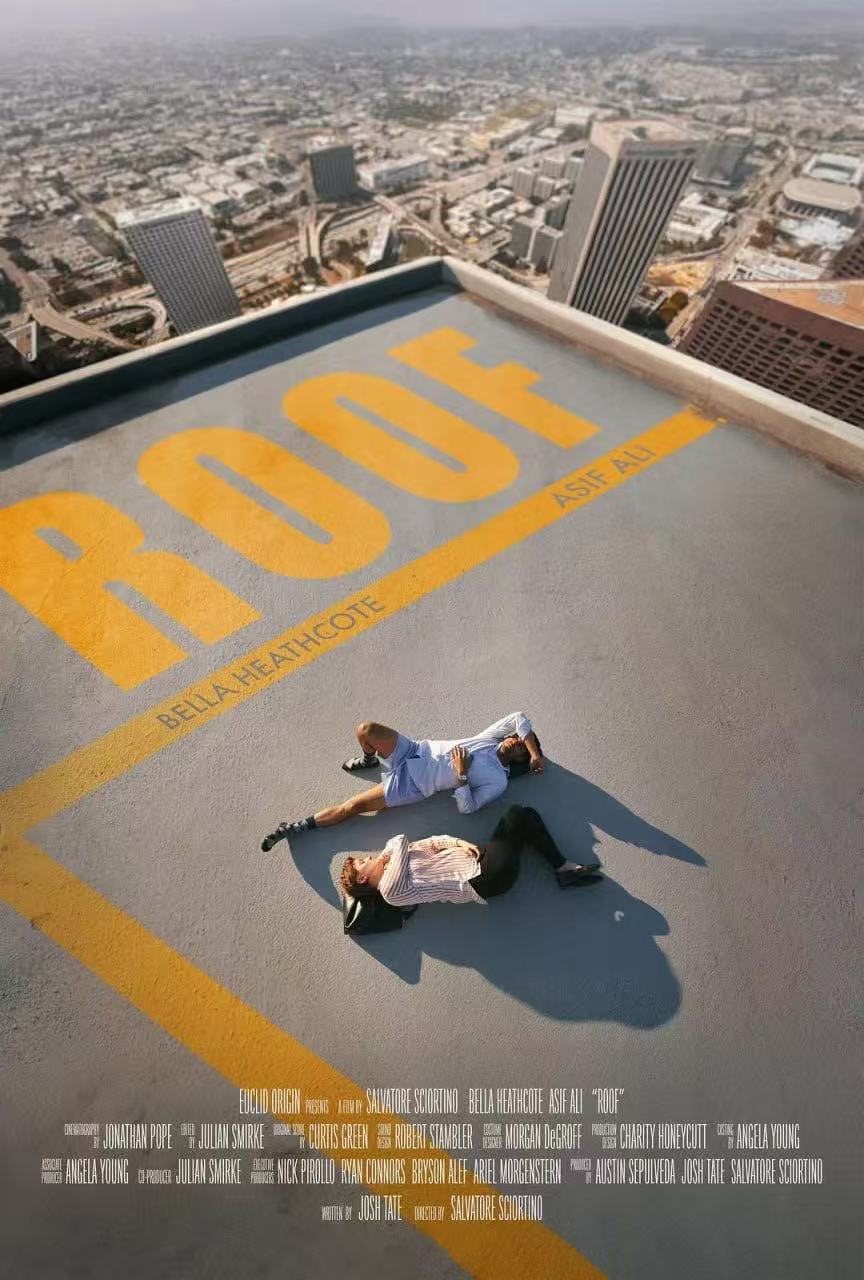
两名面临艰难人生抉择的同事,在一个炎热漫长的节假日周末被困在了一座摩天大楼的楼顶。起初这只是一场小麻烦,但随着两人尝试各种愈发危险的逃生手段,事态演变成了一场生死较量;与此同时,他们之间也建立起了一种独特而意想不到的友谊。
两名面临艰难人生抉择的同事,在一个炎热漫长的节假日周末被困在了一座摩天大楼的楼顶。起初这只是一场小麻烦,但随着两人尝试各种愈发危险的逃生手段,事态演变成了一场生死较量;与此同时,他们之间也建立起了一种独特而意想不到的友谊。
 6.0一个人在线观看的片免费
讲述关于古怪而有魅力的连环盗贼杰弗里·曼彻斯特的真实故事,他曾是美国陆军预备役军官,因在夜间或凌晨从屋顶闯入60多家麦当劳、等待早班员工上班将其锁进冰箱后把收银机里的钱都洗劫一空而闻名,在此过程中,他举止温和,很少诉诸暴力。
2000年曼彻斯特被定罪并入狱,此后他越狱,在北卡罗来纳州的一家玩具反斗城和电路城商店里躲藏数月,以婴儿食品为生,在玩具店骑自行车锻炼身体。据报道,他在一家电子产品商店的《猫鼠游戏》DVD上留下了指纹,之后又被抓回了监狱。影片将聚焦曼彻斯特长达数月的逃亡之旅和阻止他逃离这一切的爱情故事。
8.0弗兰肯斯坦4.0朝鲜精神科医师刘世丰第二季特辑2.0启蒙映画5.0各取应得When retired East End villain Charlie Archer is murdered by a feral street gang, his brother Ritchie returns to London from Spain to investigate. With the police investigation drawing blank after blank, Ritchie decides to take the law into his own hands and bring his old school justice back to the streets of East London. Rounding up his old firm, he leads a vigilante crusade against the vicious young criminals, using every grizzly method at his disposal to find and punish his brother s killers. They're outgunned and outnumbered, but this firm has never been outclassed yet.
5.0深宅未醒4.0谁疯了?A group of insane asylum inmates flee a broken-down bus and occupy a nearby farmhouse. As they form a collective threaded by bizarre exercises and slapstick setups, the film spirals out into a freewheeling comedy of disorder, told with unusual verve and intensity, and featuring a dissonant, if deranged, soundtrack by free jazz innovator Ornette Coleman and his trio.
4.0三狼喋血3.0三更天5.0萨乐美 Salomé (1923), a silent film directed by Charles Bryant and starring Alla Nazimova, is a film adaptation of the Oscar Wilde play of the same name. The play itself is a loose retelling of the biblical story of King Herod and his execution of John the Baptist (here, as in Wilde's play, called Jokaanan) at the request of his stepdaughter, Salomé, whom he lusts after.
Salomé is often called one of the first art films to be made in the U.S.[citation needed] The highly stylized costumes, exaggerated acting (even for the period), minimal sets, and absence of all but the most necessary props make for a screen image much more focused on atmosphere and on conveying a sense of the characters' individual heightened desires than on conventional plot development.
Despite the film being only a little over an hour in length and having no real action to speak of, it cost over $350,000 to make. All the sets were constructed indoors to be able to have complete control over the lighting. The film was shot completely in black and white, matching the illustrations done by Aubrey Beardsley in the printed edition of Wilde's play. The costumes, designed by Natacha Rambova, used material only from Maison Lewis of Paris, such as the real silver lamé loincloths worn by the guards.
No major studio would be associated with the film, and it was years after its completion before it was released, by a minor independent distributor. It was a complete failure at the time and marked the end of Nazimova's producing career.
A longstanding rumor, which seems to have started while the film was still in production, suggests that its cast is comprised entirely of gay and bisexual actors in an homage to Oscar Wilde, as per star and producer Nazimova's demand. It is, of course, impossible to say, but one of the extras in Salomé reported that a number of the cast members—both featured and extras—were indeed gay, but not an unusual percentage of them, and certainly not all of them. What can be said is that Nazimova herself was a lesbian, the two guard characters (who, next to Salomé, have the most screen time) are at least played very stereotypically gay, and several of the female courtiers are men in drag.
Salomé was screened in 1989 at the New York International Festival of Lesbian and Gay films and in 1990 at the New York Gay Experimental Film Festival.
In 2000, the United States Library of Congress deemed the film "culturally significant" and selected it for preservation in the National Film Registry.